
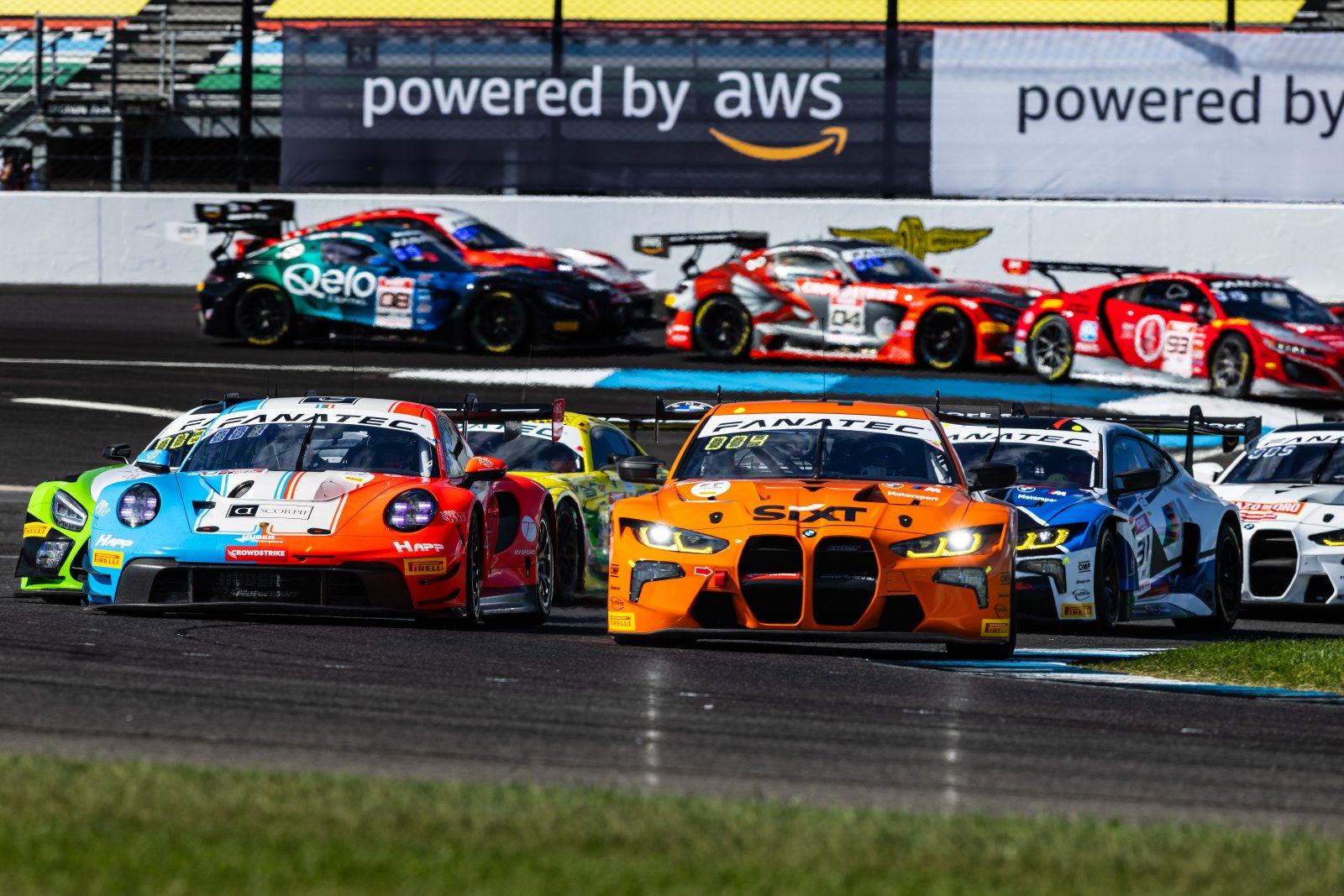
Modern sponsorship goes far beyond logo placement on panels; it has developed into a broader ecosystem combining visibility, engagement, content, and business opportunities.
In motorsport, for example, sponsors today do not only appear on cars and driver overalls but also create value through VIP hospitality, fan engagement, technology collaborations, and sustainability initiatives.
Technology sponsors are particularly relevant, as motorsport serves not only as a racing platform but also as a testbed for innovation. Teams increasingly use partner solutions such as data analytics, artificial intelligence, and cloud computing. In 2025, the technology, media, and telecommunications sector accounted for the highest number of sponsorship deals in Formula 1, representing over 15% of total deal value (IRIS Market Intelligence).
Modern sponsorship activations in motorsport include:
VIP lounges and hospitality
Examples include the F1 Paddock Club, featuring gourmet menus by Gordon Ramsay at selected Grands Prix, and the Le Mans 24h VIP program, offering multi-day experiences, factory visits, and night-race viewing.
Fan engagement through technology
One example is Formula E’s Allianz Fan Village that provides interactive gaming, live content, and other engagement activities for fans.
Technology integration and data collaboration:
Partners such as AWS support Formula 1 with advanced cloud computing and data analytics, enabling performance insights and improved race analysis. AWS also supports other series such as the GT World Challenge through long-term technological collaboration.
As sponsorship becomes more complex, its evaluation also requires a more structured approach rather than a single metric.
Media Value Equivalency remains one of the most commonly used metrics nowadays, measuring exposure across TV & Streaming through visibility share, Sponsorship Contacts and Advertising Equivalent Value.
Engagement and social media reach are increasingly important, with social platforms often outperforming traditional media in terms of reach and interaction. Performance is typically measured through likes, shares, comments, and video views.
On-site activations, material rights, and PR exposure such as hospitality, ticketing, editorial integrations, meets-and-greets with drivers etc are often evaluated through cost or production equivalency, participation metrics or CPE/CPT.
Business and B2B impact can be assessed through indicators such as lead generation, CRM insights, product demonstrations, and client relationship development, however direct sales impact is often difficult to measure.
Brand awareness, perception, and image transfer are key long-term metrics, with research showing that they directly and indirectly influence purchase intention and brand loyalty. Market research can be used to measure these.
Modern sponsorship therefore goes beyond logo-based evaluation and requires a multilayered approach combining media, engagement, business, and brand impact metrics.
Do you need help valuing your sponsorship package, or would you like to understand what you can receive in return by getting involved? Get in touch with us!
ABOUT THE AUTHOR

Olena Baumann (Posternak) has been working in the Insights Team at IRIS for 3 years, and specialises in Motorsports and International Federations projects.