
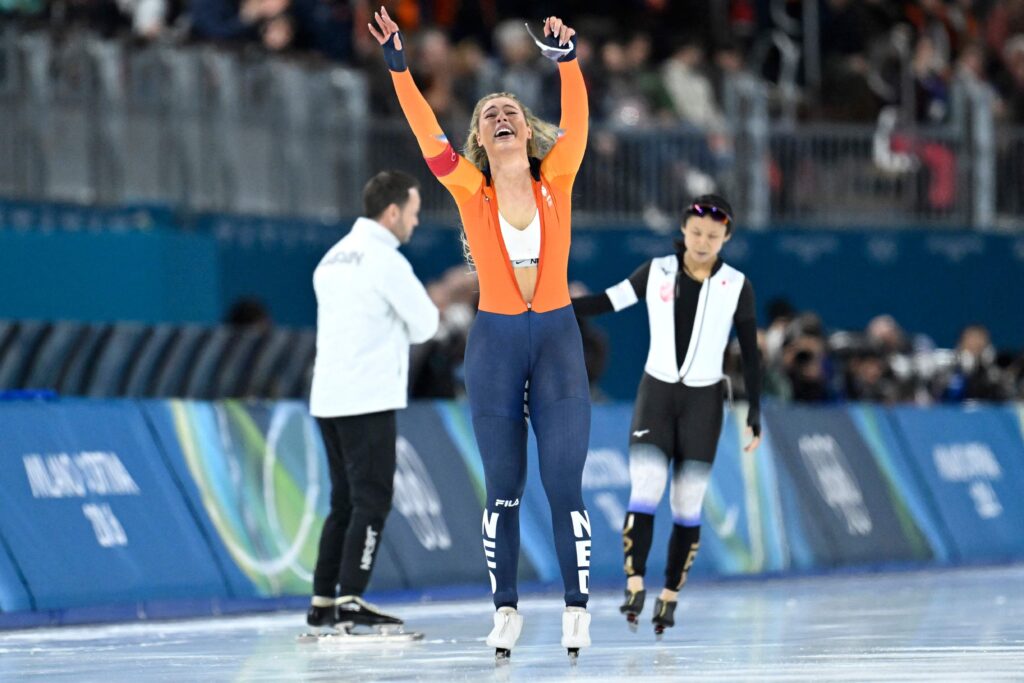
The case of Jutta Leerdam and Nike at the Milano-Cortina 2026 Winter Olympics has attracted significant media attention. For us, the more relevant commercial question is what Nike generated from this exposure. A single high-profile moment triggered substantial global attention, extending far beyond traditional advertising placements.
Partnerships with athletes help brands reach specific audiences worldwide, create more authentic content than traditional advertising, and benefit from the positive image of top athletes. They also deliver measurable results, such as reach and engagement.
According to our analysis, Leerdam increased her social media following in the month of February by around 38% across Facebook, Instagram, and TikTok (+2.8 million). Her content generated more than 400 million video views, and we estimate her posts achieved media value of over €35 million.
Olympic sponsorship is strictly regulated, with limits on direct advertising and visible branding during the Games.
Brand visibility through equipment and clothing is also restricted. Logos from brands like Nike are only allowed as ‘manufacturer identification’, not advertising, which limits exposure during competition.
Based on a sample of content, we estimate that Nike generated at least €450,000 in weighted advertising equivalent value (AEV) linked to the story. This value appears to come mostly from earned media, as direct advertising is restricted during the Olympics. This demonstrates that earned media can be a highly efficient exposure channel in regulated environments.
Overall, this case shows that even under strict Olympic rules, brands can generate significant value through earned media and athlete-driven content.
ABOUT THE AUTHOR

Olena Baumann (Posternak) has been working in the Insights Team at IRIS for 3 years, and specialises in Motorsports and International Federations projects.